

Preschool
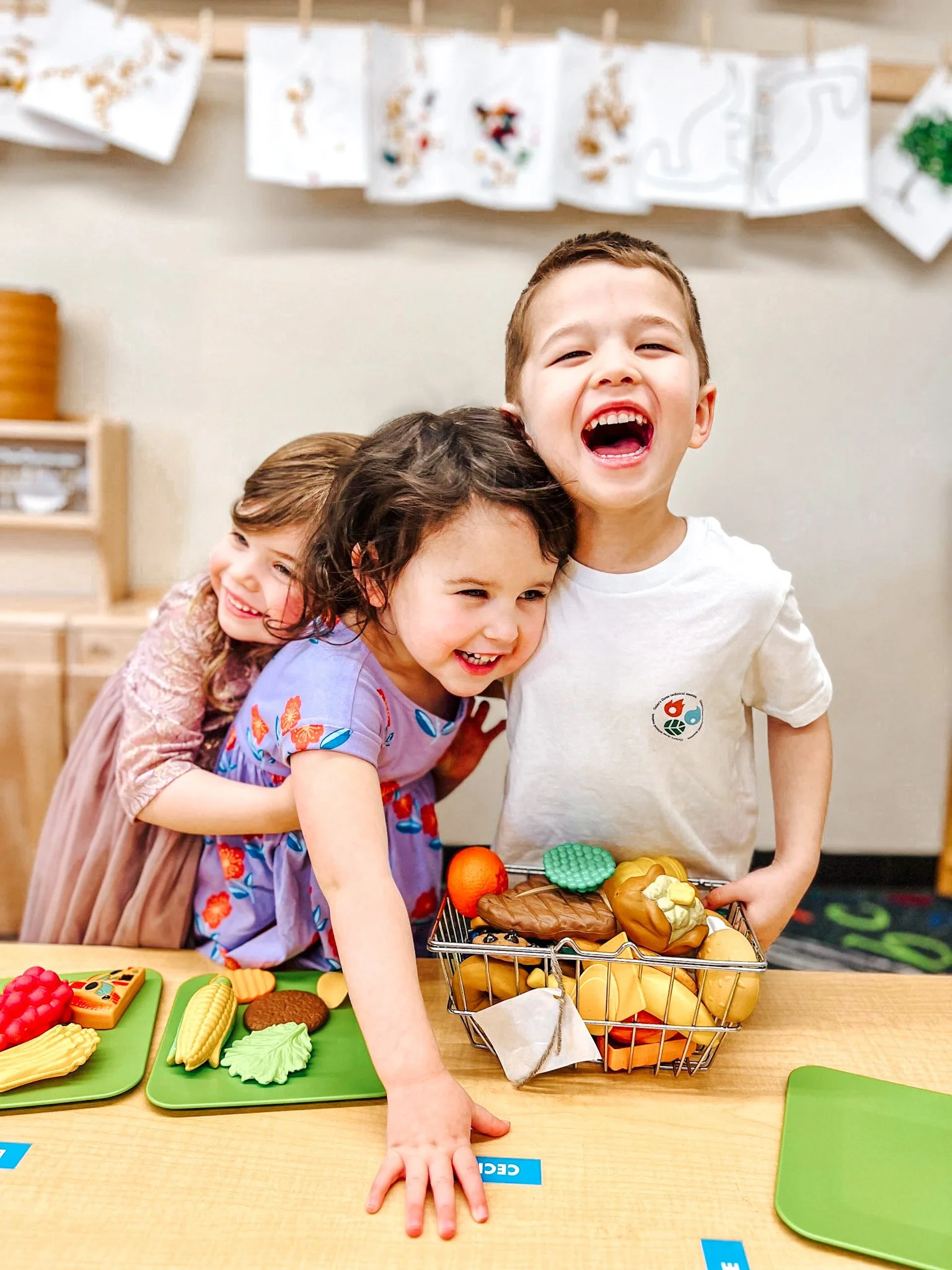
In our Preschool classroom, children explore, create and build the skills they need, in an environment where they feel safe, known and loved.
- Low teacher-to-child ratios
- Photos and updates in CareDay
- Everything included in tuition
The ages of children in our classrooms may vary by local and state regulations as well as the unique needs of each student.
Preschool Classroom Milestones
Ohio's Early Learning & Development Standards map the full arc of childhood growth from birth to kindergarten. At BFA, they're our starting point — not a checklist, but a guide for creating experiences that meet each child exactly where they are. Hover or tap any area below to learn more.

Language & Literacy
Children retell stories, describe events in sequence, recognize letters, and begin connecting sounds to letters.
A new children's book anchors every week. Read-alouds, storytelling, and letter activities are woven into daily routines.

Social & Emotional
Children identify and express emotions, build friendships, develop empathy, and grow in confidence and self-regulation.
Our psychology-informed approach means teachers actively support emotional development — not just behavior, but the feelings underneath it.

Mathematics
Children count objects, recognize numerals, sort by shape and size, and identify simple patterns.
Math concepts are embedded in play — building, sorting, measuring, and games that make numbers feel natural and fun.

Cognitive Development
Children practice planning, memory, flexible thinking, and sustained attention — the building blocks of learning readiness.
Open-ended challenges and project-based play require children to think, adapt, and persist — skills that carry into kindergarten and beyond.

Physical Development
Children develop gross motor skills (running, jumping, climbing) and fine motor skills (drawing, cutting, writing) alongside healthy habits.
Two outdoor play sessions daily plus fine motor activities support physical growth. Children also learn why healthy food and movement matter.

Science
Children ask questions, make predictions, observe changes, and begin to understand cause and effect.
Telescope Tuesday brings science to life with experiments, nature exploration, and hands-on discovery every week.

Creative Development
Children create art using their own ideas, use imagination to act out stories, and experiment with rhythm and sound.
Messy Monday is dedicated to sensory play, mixed-media art, and creative exploration. Children choose their own materials and techniques.

Social Studies
Children explore their roles in family and community, learn about different cultures, and develop a sense of place and belonging.
Classroom themes connect children to the wider world — celebrating traditions, exploring communities, and building empathy.
A Week in Preschool
We turn up the learning dial with hands-on science, math, and literacy. Each day of the week has a catchy theme, which gives every classroom a fun, predictable rhythm.
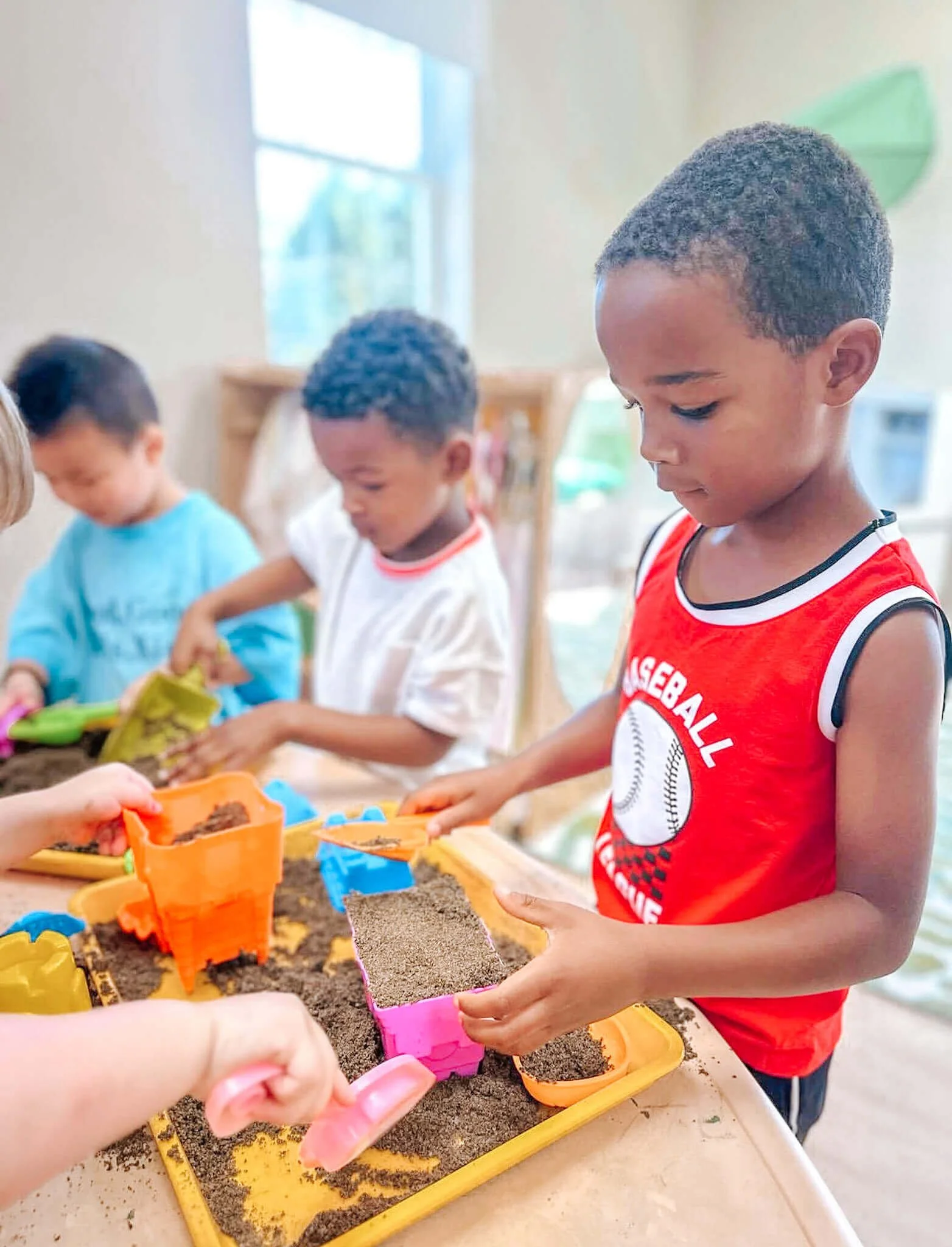
Messy Monday
Messy sensory play, mixed-media art, cutting trays
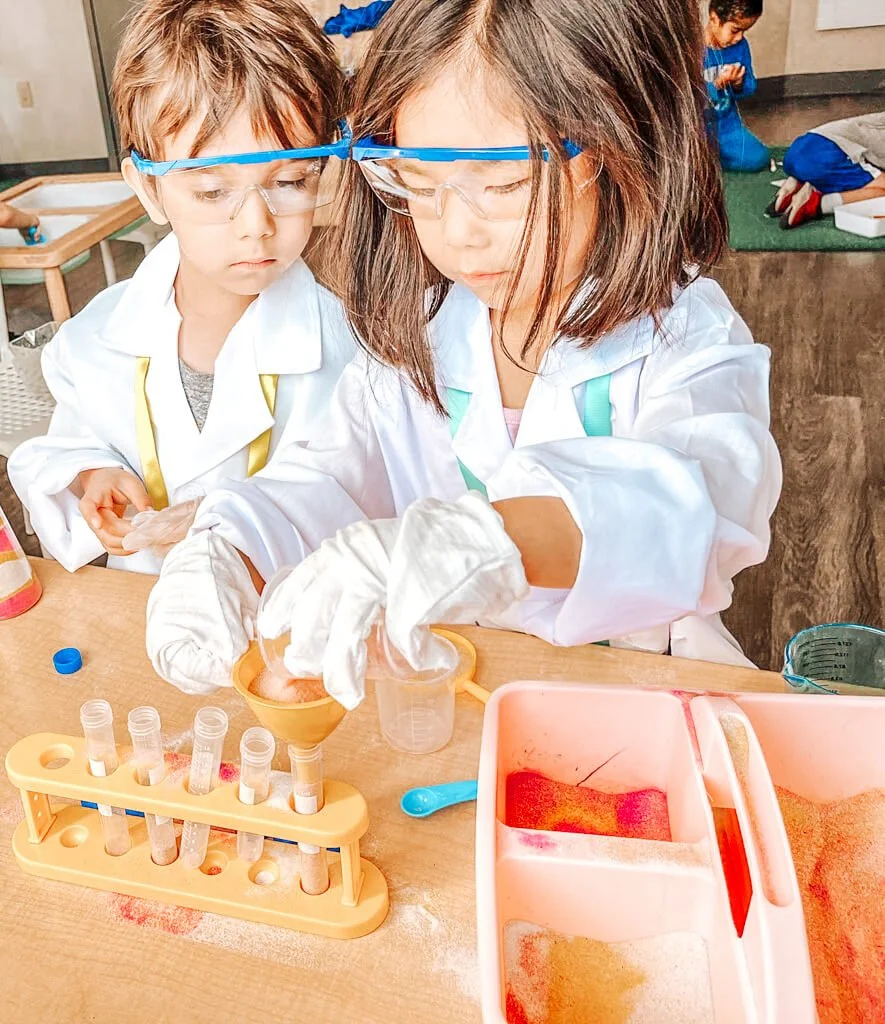
Telescope Tuesday
Science and nature discovery, sorting mats, experiments
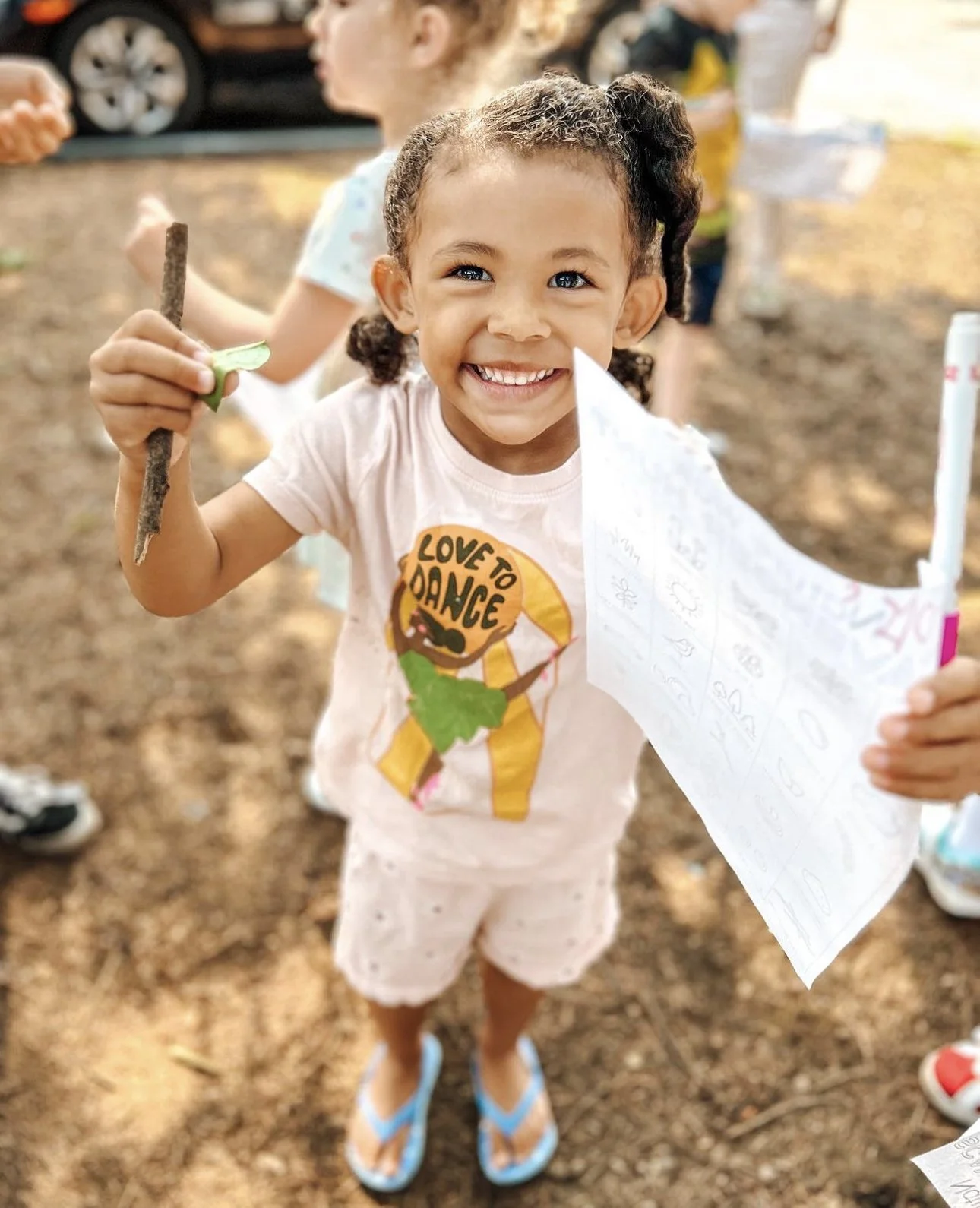
Wildlife Wednesday
Animal habits, animal tracks, animal read-alouds
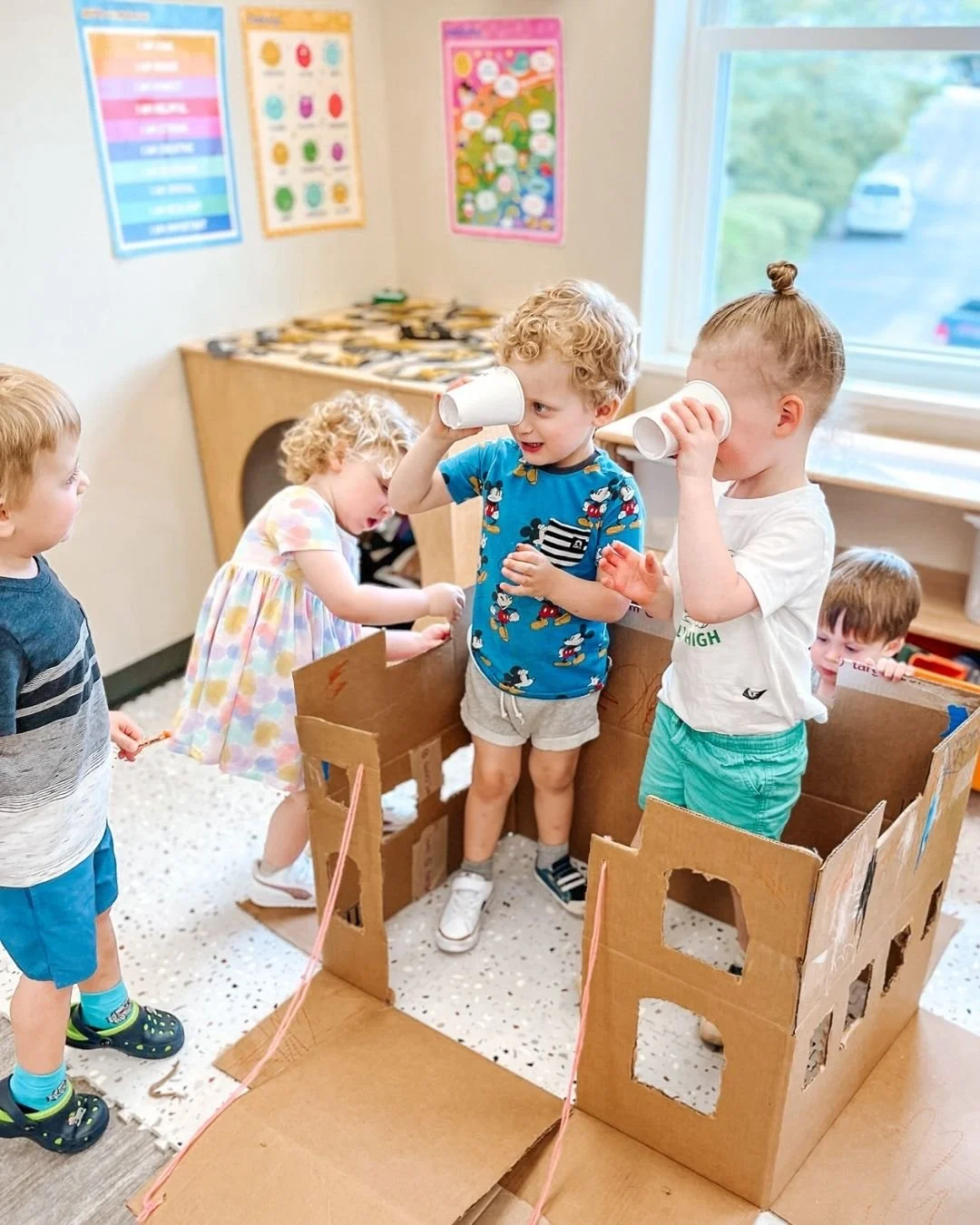
Three-D Thursday
Block play, counting boards, clay sculptures
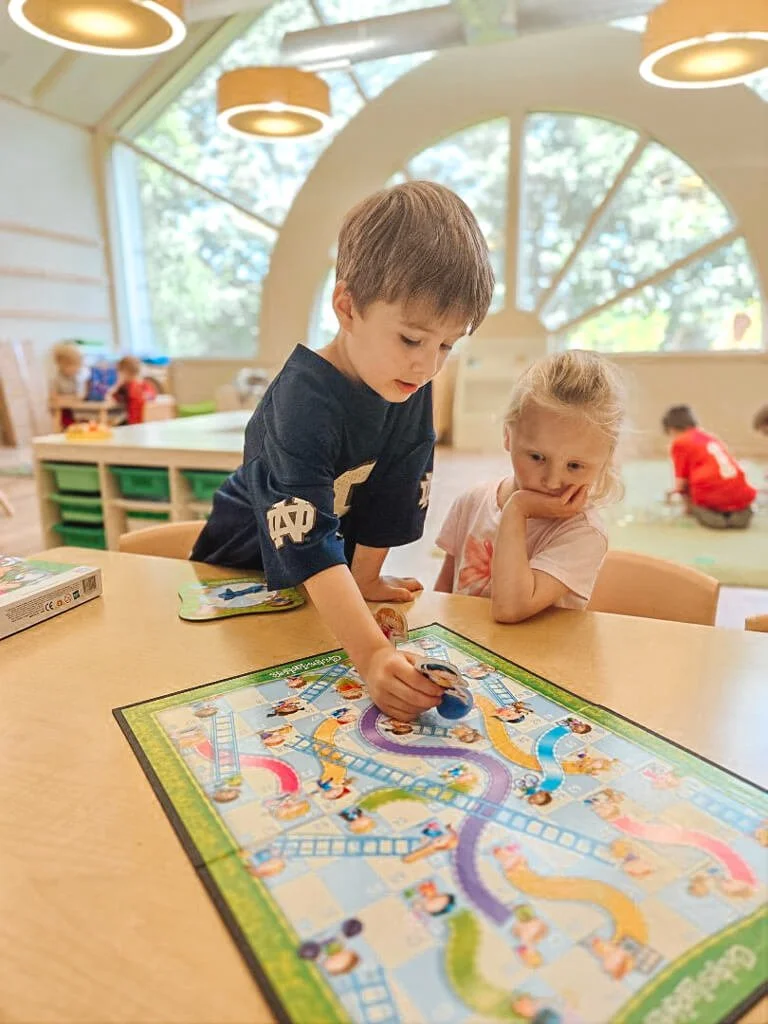
Friend Friday
Kindness role plays, multicultural read-alouds, team games
Included in Preschool Tuition
All included in your tuition, so there's less to pack and less to plan.

Healthy Meals Your Child Will Love
Our in-house BFA Cafe prepares a morning snack, lunch, and an afternoon snack each day, all made with wholesome ingredients you can trust.

In-house Laundry
We make naptime easier by providing and laundering all cot blankets and bedding.

Extracurricular Activities
Music, movement, art, and nature classes happen right here during the school day, all included in tuition. Your child gets to try something new, and you skip the evening carpool.

Room to Move
Children visit the indoor multi-purpose room and the turf playground every day.

How do I know if my child is ready for preschool?
Most children are ready for preschool between ages 2 and a half and 3. Every child is different, but there are a few simple signs to look for. Is your child curious about other kids? Can they handle a short time away from you? Do they show interest in books, play, or new things? If you answered yes to most of these, they are likely ready. At Balanced Family Academy, we make the transition easy. Our teachers are warm, patient, and experienced at helping children feel at home from day one.
What does a typical day look like at BFA?
Every day at BFA follows the same rhythm — and that's on purpose. Kids feel safe when they know what comes next. Mornings start with free choice and small group time. Each week has its own special activities: Messy Monday for art and sensory play, Telescope Tuesday for science. Every day includes a read-aloud built around a new book. Children go outside twice a day, every day. Afternoons are for rest, fine motor work, and more hands-on play. It's a full day — and none of it looks like sitting at a desk. That's not how young children learn best.
What is the earliest age a child can start preschool?
Most preschool programs accept children starting at age 3. At Balanced Family Academy, our Preschool program is designed for children ages 3 to 4. If your child is 2 to 3 years old, our Early Preschool program may be the right fit. Both programs are built around play, curiosity, and helping children grow at their own pace. Not sure which program is right for your child? We'd love to help you figure it out.
Is Pre-K the same as preschool?
Not quite. At BFA, Preschool is for 3- to 4-year-olds, and Pre-K is for 4- to 5-year-olds in the year right before kindergarten. Pre-K puts extra focus on kindergarten skills, like early reading, writing, and math. BFA also offers Early Preschool for 2- to 3-year-olds.
The ages of children in our classrooms may vary by local and state regulations as well as the unique needs of each student.
Explore Our Other Programs
Every age group follows the Full Circle Curriculum, made just for their stage.
Newborn Care
From 6 weeksWarm, one-on-one care that follows each baby's own schedule.
See Newborn Care →Infant Care
10–18 monthsFirst words, first steps, and lots of hands-on exploring.
See Infant Care →Toddler Care
18–24 monthsBusy bodies, big feelings, and new discoveries every day.
See Toddler Care →Early Preschool
2–3 yearsGrowing independence, new friends, and early learning routines.
See Early Preschool →Preschool
3–4 yearsHands-on science, math, and literacy built into every week.
See Preschool →Pre-K
4–5 yearsA focused year that gets kids ready for kindergarten.
See Pre-K →See Our Classrooms in Action
Stop stressing over the daily details. Come see where your child will learn, play, and be known.